
Overview
Plumbing problems have a way of showing up at the worst possible time. A leaking pipe, a backed-up drain, low water pressure, or no hot water at all can make people act fast, and that urgency is exactly what dishonest contractors count on.
Experienced Chicago plumbers see this pattern often. When homeowners are dealing with water on the floor or a drain backup, the focus is on stopping the problem quickly, which can make it easier for dishonest contractors to push unnecessary repairs.
Most plumbers are legitimate professionals who do honest work. Still, there are bad actors in every industry, and homeowners should know how to spot the warning signs before agreeing to repairs they may not need, overpaying for simple work, or ending up with poor workmanship that creates even bigger problems later. This is especially important with higher-stress services like basement sewer backup, gas line repair, or emergency gas leak detection, where homeowners may feel pressured to approve work immediately.
Knowing the most common plumbing scams can help you protect your home, your budget, and your peace of mind.
Why Plumbing Scams Are Common
Plumbing scams are more common when the problem is hidden behind walls, underground, or inside a drain line. If a homeowner cannot clearly see the issue, it becomes much easier for someone to exaggerate the damage, especially with services like basement sewer backup, hydro jetting, or sewer root removal.
They also tend to happen when the customer is under pressure. When there is water on the floor, a sewer smell in the basement, or a toilet that will not stop overflowing, most people are not thinking about comparing quotes or reviewing contracts carefully—they just want the problem fixed, and that urgency creates the perfect situation for vague pricing, fear-based upselling, and rushed decisions.
Some dishonest companies take advantage of homeowners who do not know what a repair should normally cost, what is truly urgent, or whether a full replacement is actually necessary. In legitimate plumbing work, contractors usually confirm these types of problems using tools like drain cameras, pressure testing, or leak detection equipment before recommending major repairs.
The Most Common Plumbing Scams Homeowners Should Know
The bait-and-switch estimate
The first red flag is usually poor communication. If a plumber cannot explain the problem clearly, avoids direct answers, or keeps changing the story, that should make you cautious.
This is one of the most common tactics. The plumber gives a low quote over the phone or in an ad, but once they arrive, the price changes dramatically because the “real issue” is supposedly much bigger.
Sometimes there is a legitimate reason for a price adjustment after inspection. The problem is when the original quote was never realistic in the first place and was only used to secure the appointment. That is the bait, and the inflated job is the switch.
Unnecessary repairs or full replacements
Some dishonest contractors recommend replacing an entire water heater, sewer line, or set of pipes when a smaller repair may be enough. Homeowners are especially vulnerable here because many plumbing systems are out of sight and difficult to evaluate without experience.
A second opinion is often worth it when the recommendation is expensive. If one company says the entire system has to go and another licensed Chicago plumber says a repair is still reasonable, that difference matters. This is particularly true for services like sewer rodding, or Hydro Jetting service, where the right diagnosis matters as much as the repair itself.
Pushy sales behavior is another problem. Urgent plumbing issues do exist, but not every situation requires immediate full-system replacement. If someone is trying to scare you into approving thousands of dollars in work on the spot, there is a good chance the pressure is part of the sales tactic.
Large upfront payment demands
It is normal for some jobs to require a deposit, especially for larger scheduled work or special-order parts. What is not normal is demanding most or all of the money upfront before work begins, especially during an emergency call.
A big advance payment leaves the homeowner with little leverage if the job is delayed, done poorly, or never completed. It is one of the simplest signs that something may be off.
You should also be wary of cash-only requests, unusually large upfront deposits, refusal to show licensing or insurance, and estimates that seem suspiciously low at first. Very low quotes are often used to get in the door, only for the final cost to rise once the work begins. This can happen on everything from faucet installation to gas line repair.
Hidden charges added after the job starts
A plumber may begin with one number, then gradually add charges for “extra labor,” “extra workers,” “special tools,” “emergency rates,” or “unexpected materials” that were never discussed clearly.
Some change orders are legitimate. But when extras appear one after another without explanation, documentation, or approval, the final invoice can become much larger than expected. This is a common risk when the homeowner cannot easily verify the need for work, such as with gas line repair, gas leak detection, or underground drain services.
Atrustworthy plumber should be able to explain what they are charging for and why. If you hear broad statements like “this could be very expensive” without a breakdown, or you are pressured to approve work before getting a written estimate, stop and slow the conversation down.
This is why you should request written estimates that outline labor, materials, and possible additional costs before work begins so that you, as the homeowner, understand exactly what is included.
No written contract
Another major red flag is when a plumber wants to start work without a written estimate or contract. If there is no written record of the scope, materials, labor, and possible extra costs, it becomes much easier for the final bill to change later.
This is why homeowners should always request written estimates before work begins. A clear written agreement helps you understand what is included and gives you something to refer back to if the job or price suddenly changes.
Fake emergency plumbing claims
Not every plumbing issue is a true emergency. A dishonest contractor may label a problem as extremely urgent to push the homeowner into making a fast decision.
For example, a minor drip may be presented as proof that the entire line is about to fail. A slow drain may be described as a complete sewer collapse without proper inspection. Fear is part of the sales strategy in these cases, and it often shows up in calls involving basement sewer backup or sudden water pressure loss.
Cheap materials billed as premium parts
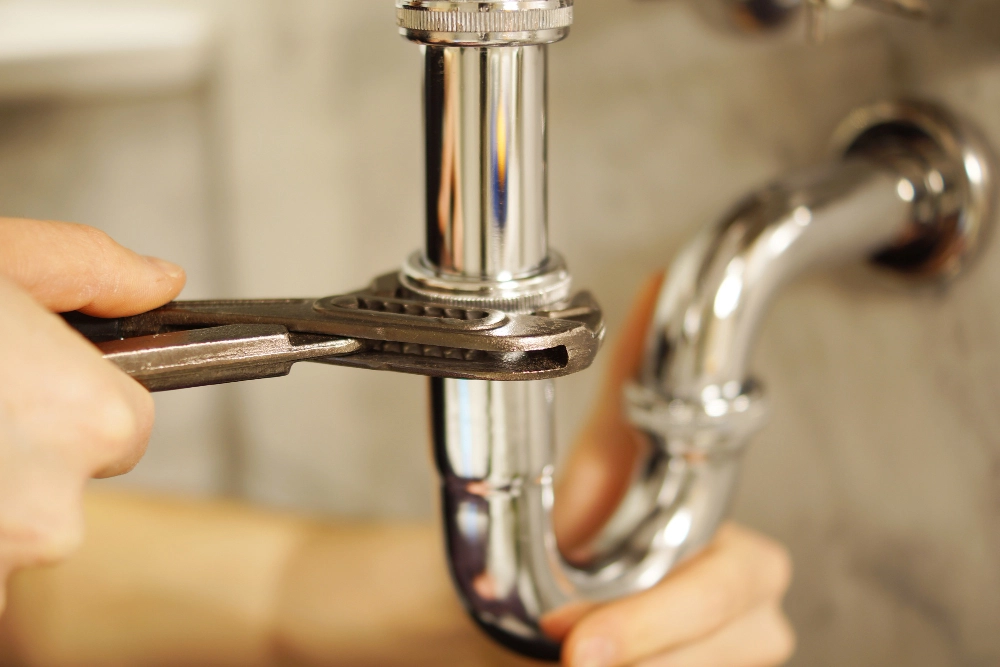
Some companies charge for high-quality fixtures, valves, connectors, or piping but install lower-grade materials instead. This is harder for a homeowner to catch if they never see the packaging, product details, or itemized invoice.
Over time, this kind of shortcut can lead to leaks, shorter equipment life, and more repairs than expected. Even a basic service like faucet installation can become a recurring problem if the wrong materials are used.
Door-to-door plumbing offers
Be cautious with plumbers who appear uninvited and claim they were “working in the neighborhood” and noticed a problem, or that several homes nearby suddenly need the same urgent service.
This can happen after storms, flooding, or utility work. Legitimate companies generally do not rely on pressure-heavy door-to-door tactics to sell major plumbing repairs.
Inflated pricing based on neighborhood or home value
Some homeowners are quoted higher prices simply because the property appears large, recently renovated, or located in an affluent area. The repair itself has not changed, but the perceived ability to pay has.
This is harder to prove, but it is one reason why comparing quotes can be valuable, especially for high-cost work.
How to Protect Yourself and Choose a Trustworthy Plumber in Chicago and the Surrounding Areas
The best way to protect yourself starts before any work begins. Ask for a written, itemized estimate that clearly explains the scope of work, materials, labor, and any possible extra charges that could come up. It is also important to verify that the company is licensed and insured in Illinois, because a reputable plumber serving Chicago and the surrounding suburbs should have no problem providing that information.
Online reviews can help, but do not depend on just one source. Look across multiple platforms and pay attention to patterns, especially repeated complaints about surprise charges, poor communication, unfinished jobs, or the same issue coming back again. For larger repairs like sewer line replacement, water heater replacement, major basement plumbing work, or gas line repair, getting a second opinion from another local plumber in the Chicago area can help confirm whether the diagnosis and price are reasonable.
A trustworthy plumbing company in Chicago and nearby communities is usually easy to understand from the start. Their process should be clear, their communication should be direct, and their recommendations should feel practical rather than dramatic. You should know what the problem is, what needs to be done, what your options are, and what the likely price range will be, whether you need faucet installation, help with water pressure, or a more involved service like sewer rodding.
It also helps to choose a plumber with a strong local reputation in Chicago and the surrounding suburbs. Long-term service in the area, consistent customer feedback, clear contact information, punctuality, and respect for your home all matter. Most importantly, a good plumber should make you feel informed and confident in the decision, not pressured into saying yes.
What to Do If You Think a Plumber Is Scamming You
If something feels wrong, pause the process. Do not let urgency or pressure force you into approving work you do not understand.
Ask the plumber to show you the problem. That could mean photos, video inspection footage, damaged parts, or a clear in-person explanation. A legitimate contractor should be able to justify the recommendation in a way that makes sense.
If additional work is suggested, ask for updated pricing in writing before it starts. Do not rely on verbal estimates alone once the scope changes.
You should also keep records of everything, including text messages, emails, invoices, estimates, photos, and payment receipts. If you decide to bring in another company for a second opinion, those details will help.
How to Report a Scam Plumber in Chicago and Nearby Areas
- Stop the work if something feels wrong
Do not approve additional repairs or charges until you clearly understand the issue and receive written pricing. - Collect and save all documentation
Keep estimates, invoices, receipts, photos, emails, text messages, and the plumber’s business name, address, and
phone number. - Organize your complaint clearly
Provide a timeline of the service, what you were told, what work was done, and how much you paid so the agency can
properly review your case. - Verify the plumber’s license
Check the license through the Illinois Department of Financial and Professional Regulation (IDFPR):
https://idfpr.illinois.gov - Report the issue through Chicago 311
Chicago residents can file consumer complaints with the Department of Business Affairs and Consumer Protection through 311, the CHI311 app, or online at:
https://311.chicago.gov - Contact Chicago Business Affairs and Consumer Protection (BACP)
Phone: 312-744-6060
Address: 121 N. LaSalle St., 8th Floor, Chicago, IL 60602
Website: https://www.chicago.gov/bacp - If you live in the Chicago suburbs, report the plumber to IDFPR
Homeowners in areas like Skokie, Evanston, Niles, Park Ridge, Glenview, Northbrook, Morton Grove, Des Plaines, and
surrounding suburbs can file complaints here:
https://idfpr.illinois.gov/admin/dpr/complaint.html
Phone: 1-888-473-4858
How to Protect Yourself Before Hiring a Plumber
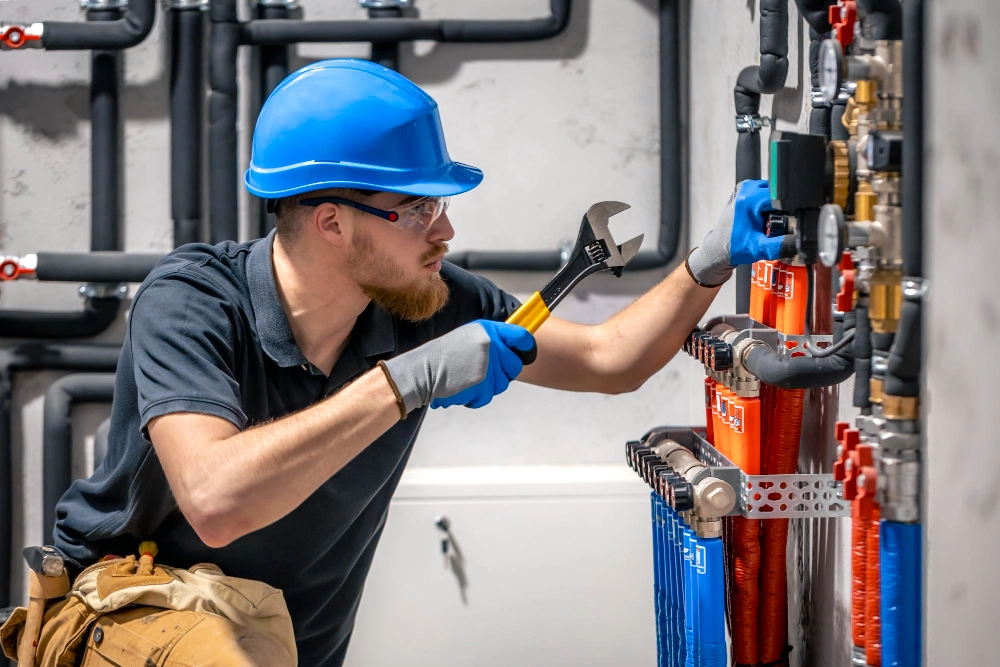
The best protection starts before the work begins. Ask for a written, itemized estimate that explains the scope of work, expected materials, labor charges, and any possible extra costs that could arise.
It is also smart to verify that the company is licensed and insured. A reputable plumbing contractor should not hesitate to provide this information.
Online reviews can help, but do not rely on a single source. Look for patterns across multiple platforms. Consistent complaints about surprise charges, poor communication, unfinished work, or repeat visits for the same problem should be taken seriously.
For larger repairs, get a second opinion. This is especially important for sewer line replacements, water heater replacements, major basement plumbing work, or gas line repair. A second estimate can confirm whether the diagnosis is reasonable and whether the price is within a normal range.
It also helps to ask one simple question: what is truly urgent, and what can wait? A good plumber should be able to explain the difference.
Why Licensed Plumbing Service Matters
Licensed plumbing work is not just about paperwork. It is about safety, code compliance, accountability, and quality.
Improper plumbing repairs can lead to water damage, mold, low water pressure, drainage problems, gas risks, and repeat failures that cost more in the long run. A licensed professional is more likely to follow proper installation methods, use appropriate materials, and understand local code requirements, whether the job involves gas leak detection, gas line repair, or basement sewer backup cleanup and repair.
That does not guarantee perfection, but it greatly lowers the chance of sloppy or deceptive work.
Final Thoughts on Avoiding Common Plumbing Scams
Most homeowners will need a plumber at some point, and most of those service calls will be routine. But when the problem feels urgent, emotions can take over, and that is when bad decisions become more likely.
The safest approach is simple: slow down when possible, ask questions, get things in writing, and do not be afraid to get a second opinion on expensive work. A legitimate plumber should have no problem with a careful customer. In fact, most experienced plumbers welcome questions because clear communication helps ensure the repair is done correctly the first time.
Frequently Asked Questions
1. How do I know if a plumber is overcharging me?
A high price alone does not always mean it is a scam, but vague pricing and unclear explanations are warning signs. If the estimate is much higher than others and the plumber cannot justify it clearly, get another quote.
2. Is it normal for a plumber to ask for money upfront?
For some larger scheduled jobs, a deposit can be normal. Asking for full payment, or a very large payment before work begins, is usually a reason to be cautious.
3. Should I always get a second opinion for major plumbing work?
Yes, especially if the recommended repair is expensive or involves replacing major parts of the system. A second opinion can confirm whether the diagnosis and price are reasonable.
4. What should be included in a plumbing estimate?
A proper estimate should describe the work, materials, labor, and any possible extra charges. The clearer and more itemized it is, the easier it is to compare and trust.
5. Are very cheap plumbing quotes a red flag?
They can be. A very low quote is sometimes used to win the job first, then increase the price once the work begins.