

Overview
When a drain backs up, most homeowners want it cleared fast. But the method a plumber uses matters more than most people realize, and choosing the wrong one doesn’t just mean a temporary fix. It can mean the same problem is back in a few months, sometimes worse.
Snaking, rodding, and hydro jetting are not interchangeable. They work differently, they target different problems, and in some cases the most powerful option isn’t the right first move. A fully blocked main sewer line, for example, may need to be rodded open before hydro jetting is even possible. A slow bathroom sink probably doesn’t need either.
In Chicago homes, where aging sewer lines, basement floor drains, heavy grease buildup, and root intrusion are all common, getting the method right the first time is worth understanding before the plumber arrives. Here’s how each one works and how to know which situation calls for which.
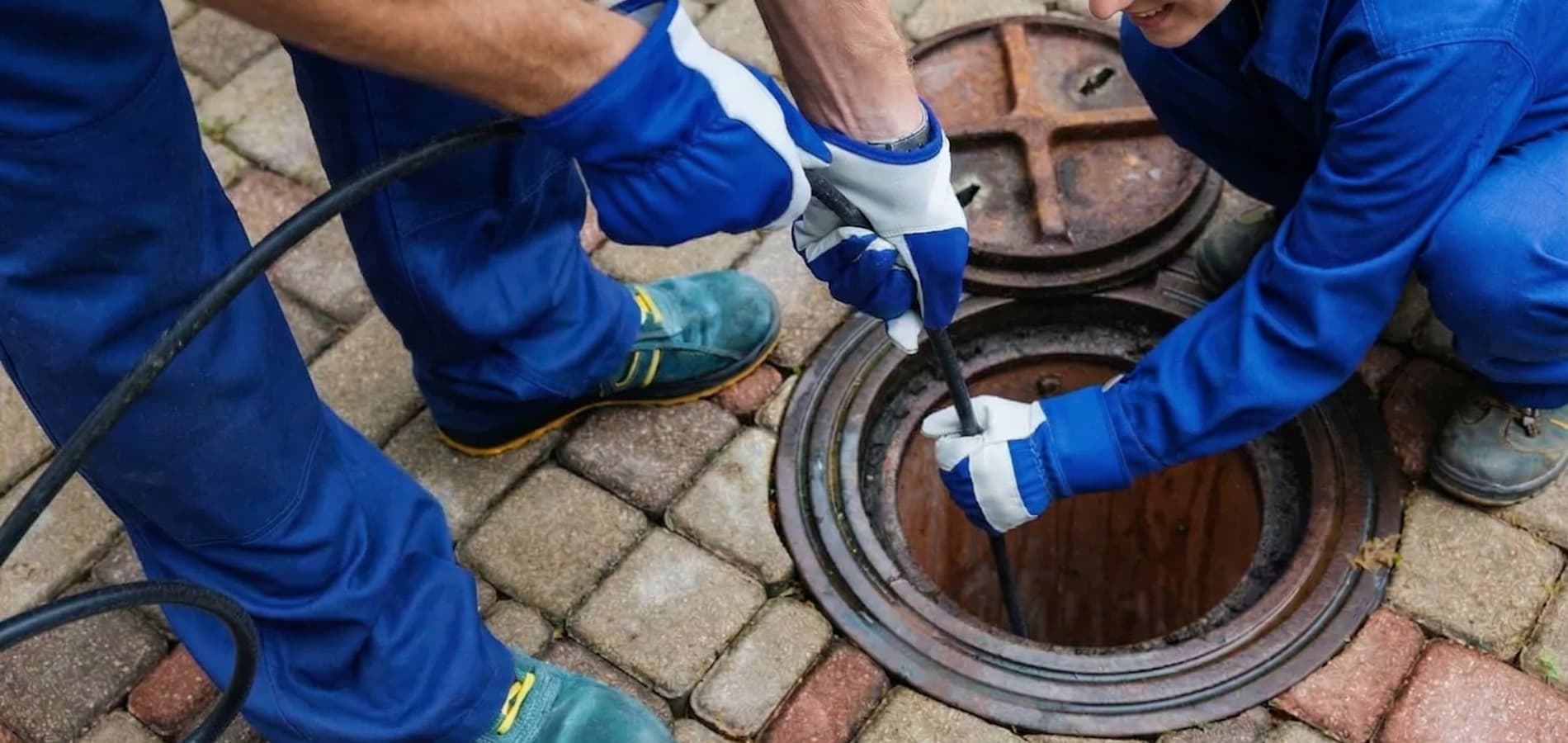
What’s the Difference Between Hydro Jetting, Snaking, and Rodding?
Before deciding which one is best, it helps to understand what each method actually does.
What is drain snaking?
Snaking is usually used for smaller, localized clogs. A cable is fed into the drain to break through or pull apart the blockage so the water can move again.
This method is commonly used for sinks, tubs, showers, and other individual fixture drains. It works well when the clog is limited to one branch line and there is no sign of a larger sewer problem.
What is sewer rodding?
Sewer roddingis used more often for tougher blockages in the main drain or sewer line. It uses stronger equipment designed to punch through obstructions and reopen the line when a standard snake is not enough.
In many Chicago homes, rodding is the first step when the main sewer line is heavily blocked. If the line is fully stopped, rodding is often what gets it open.
What is hydro jetting?
Hydro jetting uses high-pressure water to clean the inside of the pipe. Instead of only breaking through the clog, it scours the pipe walls and flushes out sludge, grease, soap buildup, and debris.
That makes it a more thorough cleaning option, especially when the problem is repeated buildup rather than one isolated obstruction.
| Method | Snaking | Sewer Rodding | Hydro Jetting |
| When It’s the Right Choice | Best for small, localized clogs in a single fixture | Best for severe blockages in the main sewer line |
Best for buildup along pipe walls and recurring clogs
|
| Typical Signs | One slow sink, tub, or shower | Multiple slow drains, backups in the basement floor drain, toilets affecting other fixtures |
Repeat clogs, grease buildup, sludge, slow drains returning over time
|
| What It Does Well | Quickly opens the blockage and restores flow | Breaks through tough clogs and reopens the main line fast |
Thoroughly cleans pipe walls and removes buildup
|
| Limitations | Does not clean pipe walls; residue may remain and cause future clogs | May not fully remove buildup; sometimes needs follow-up cleaning |
Not always the first step if line is fully blocked; higher cost than other methods
|
Can One Job Require More Than One Method?
Yes, and this is one of the biggest things homeowners do not always expect.
A plumber may arrive expecting to use one method and then switch to another after seeing how severe the blockage really is. That does not necessarily mean the diagnosis changed completely. It often means the real condition of the line only became clear once work began.
A common example is a fully blocked main sewer line. In that case, hydro jetting may not be possible right away because the water needs an open path to work effectively. The plumber may need to rod the line first, then use hydro jetting afterward if sludge or buildup is still coating the pipe.
That kind of two-step approach is often the right one. It reflects the actual condition of the line instead of forcing one method onto every job.
How Plumbers Decide Which Method to Use
The first thing any experienced plumber looks at is whether one drain is slow or several are. A single slow sink almost always points to that branch line. It’s localized, and the fix usually is too. But when a homeowner says the basement floor drain is gurgling every time someone flushes upstairs, that changes the conversation entirely. That’s a main sewer line problem until proven otherwise.
From there, it’s about what’s causing it. Grease, roots, sludge, and a solid object sitting in the pipe don’t respond the same way, and a plumber who treats them all the same is going to send you the same problem back in six months. Pipe condition matters too. If the line is older or already showing wear, the method needs to match what the pipe can actually handle, not just what would clear the clog fastest.
Cost is also a real factor. Hydro jetting is the more thorough option, but if rodding can solve the problem properly, it’s usually the smarter first step. Some customers, especially those dealing with a recurring issue, want the more complete cleaning from the start and that’s a legitimate call to make.
Common Signs You May Need Snaking, Rodding, or Hydro Jetting
A single slow drain, one sink or one tub, is usually telling you something small and local. That’s snaking territory. It’s a straightforward fix and there’s no reason to escalate it.
The picture changes when more than one fixture is involved. Slow drains in multiple rooms, a toilet that causes the shower to gurgle, or anything coming up through the basement floor drain are all main line signals. At that point you’re looking at rodding, not snaking, and you want it looked at sooner rather than later because those situations tend to get worse before they get better.
If the clog keeps coming back, that’s the clearest sign that something was never fully cleared in the first place. Buildup on the pipe walls doesn’t get touched by a snake or a rod. It just gets punched through. Hydro jetting is what actually removes it. Repeat problems are the most reliable indicator that a more thorough cleaning is overdue.
Foul odors, gurgling sounds from fixtures you’re not using, or water backing up somewhere unexpected are all worth taking seriously. They usually mean the issue is deeper than a standard clog.
Common Misconceptions Homeowners Have About These Methods
The biggest misconception we hear is that hydro jetting is the premium option and therefore the obvious choice. It’s a thorough method, no question, but if the line is fully blocked it may not even be possible until the obstruction is cleared first. Bigger isn’t always better when the pipe won’t let the water through.
A lot of homeowners also treat snaking and rodding as the same thing with different names. They’re not. Snaking is for smaller fixture drains with localized clogs. Rodding is for tougher main line blockages that need stronger equipment to get through. Using the wrong one doesn’t just underperform. It can mean the real problem doesn’t get addressed at all.
The last one is the most common: water is flowing, so the problem is solved. Sometimes that’s true. But sometimes the line was only punched open and there’s still a layer of grease or sludge coating the pipe walls. It’ll be back. If you’ve had the same drain cleared more than once in a year, ask your plumber what’s actually in the pipe, not just whether water is moving through it.
Trust First Chicago Plumbers Expertise
When it comes to Chicago drain cleaning, the best method is not always the biggest, strongest, or most expensive one. It is the method that matches the actual problem in the line.
Snaking works well for smaller, localized clogs. Rodding is often the right move for serious main sewer line blockages. Hydro jetting is usually the better choice when the goal is deeper cleaning and longer-lasting results.
The most important thing is not choosing a method based on assumption. It is choosing one based on what is really happening in the pipe. If you are dealing with repeat clogs, basement drain problems, or signs of a main sewer line issue, the smartest next step is to have the line evaluated properly and use the method that fits the condition of your system.
Frequently Asked Questions
Is hydro jetting better than snaking?
Hydro jetting is more thorough because it cleans the pipe walls, while snaking usually just opens a path through the clog. That does not mean hydro jetting is always better, because some smaller localized drain clogs can be handled properly with snaking alone.
What is the difference between sewer rodding and snaking?
Snaking is usually used for smaller fixture drains and localized clogs. Rodding is more commonly used for tougher blockages in the main sewer line where stronger equipment is needed.
Can hydro jetting remove roots?
Hydro jetting can cut through smaller root intrusion and help clean the line, especially when root growth is not too advanced. If roots are heavy or the pipe is damaged, additional repair or root removal work may still be needed.
Why would a plumber rod a line before hydro jetting?
If the line is fully clogged, hydro jetting may not be effective right away. Rodding can open the blockage first, allowing hydro jetting to be used afterward for deeper cleaning if needed.
How do I know if the clog is in one drain or the main sewer line?
If only one fixture is slow, the clog is more likely in that specific drain. If several fixtures are affected, especially with basement floor drain symptoms, the issue is more likely in the main sewer line.
Is snaking only a temporary fix?
It can be temporary if the real problem is buildup on the pipe walls rather than one isolated clog. For smaller localized drain issues, though, snaking can be a perfectly effective solution.
Is hydro jetting safe for older Chicago pipes?
It can be, but the condition of the line matters. If the pipes are damaged, weak, or already compromised, the line should be evaluated first before choosing hydro jetting.
When is sewer rodding recommended?
Sewer rodding is usually recommended when the main sewer line is heavily blocked and needs to be opened quickly. It is often the first step when multiple drains are backing up or the basement floor drain is involved.
Can one drain problem affect other fixtures in the house?
Yes, especially when the issue is in the main sewer line. That is why flushing a toilet can sometimes cause water to rise in a tub, shower, or basement floor drain.
How do plumbers know which method is worth the cost?
First Chicago Plubmers team looks at the severity of the clog, the type of blockage, the condition of the line, and whether the customer needs a basic opening or a more complete cleaning. The best choice is the one that fits the actual problem, not just the one that sounds strongest.